


مطالب مرتبط
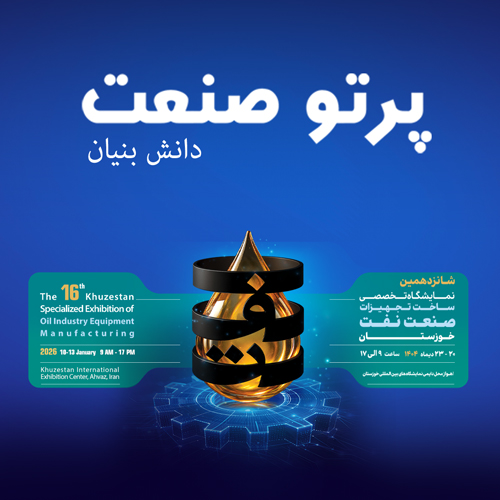
16th Khuzestan Oil Industry Exhibition
Respectfully, we invite you and your esteemed colleagues to take advantage of Parto Sanat Company's capabilities in the field of design and...

Modbus Communication Training with RS485 Hardware to Drive
How to Connect the Drive to a Master PC via RS485
This video demonstrates how to connect the drive to a Master PC via RS485

28th Oil, Gas, and Petrochemical Exhibition
Parto Sanat Company cordially invites all inverter industry enthusiasts and esteemed colleagues to explore the company’s capabilities…

24th Iran International Electricity Industry Exhibition
Parto Sanat Company cordially invites all inverter industry enthusiasts and esteemed colleagues to explore the company’s capabilities…

15th Khuzestan Specialized Oil Industry Exhibition
Parto Sanat Company is honored to invite you to explore its capabilities at the 15th Khuzestan Specialized Oil Industry Exhibition…

What is an Inverter or Drive?
What is a Drive?
An electric motor drive is used as an electronic control system that is employed to control the speed and...

Nowruz 1403
In the name of Yazdan, the Creator of the Universe,
The past year, through mutual participation and collaboration, has laid the foundations for a bright and prosperous future…
Reducing Energy Consumption in the Oil Industry by Using Domestic Drives
A group of our nation’s top talents, by coming together and synergizing their abilities, have been able to take a significant step in the field…

33rd Anniversary of Pertosanat Company
We celebrate the 33rd anniversary of Parto Sanat Company.
As the first and most experienced manufacturer…

Pertosanat Company at the 23rd Iran International Electricity Industry Exhibition
Parto Sanat Company invites all enthusiasts to explore the company’s capabilities in designing and manufacturing devices…

Pertosanat Company at the 27th International Oil, Gas, Refining, and Petrochemical Exhibition
Parto Sanat Company invites all enthusiasts to experience the company’s latest product: the Motor Speed Control Device – M…

Pertosanat Company at the 22nd Iran International Electricity Industry Exhibition
جناب آقای / سرکار خانم
احتراما ، از حضرتعالی و همکاران محترم دعوت می نماییم از توانمندیهای شرکت پر...